
Floor Levelling for Bathroom Renovations in Newcastle’s Older Suburbs
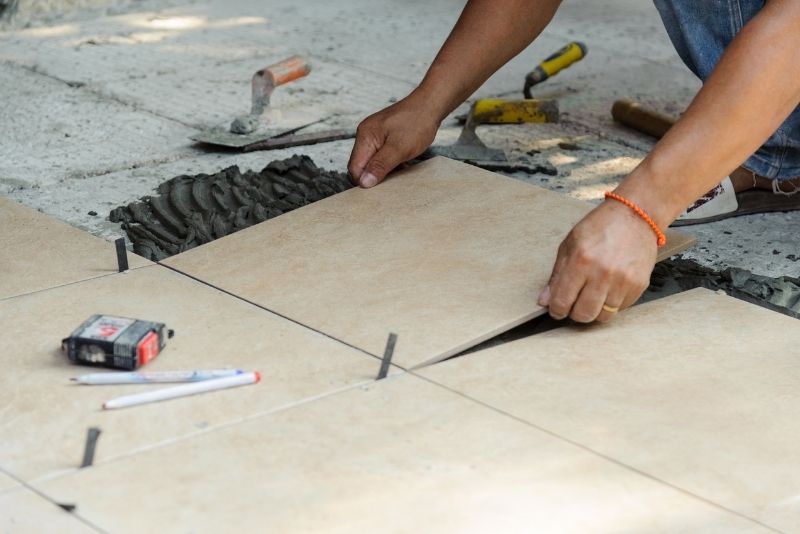
Homes in suburbs like Cooks Hill, Hamilton, Merewether, Adamstown, and Mayfield come with a lot of character — and a lot of flooring challenges that newer builds simply don’t have. Concrete slabs in older Newcastle homes have often been moving and settling for decades, responding to the region’s reactive clay soils, seasonal moisture changes, and the general shift that happens in any structure over time. By the time a bathroom renovation comes around, the floor might be several centimetres out of level across a relatively small area.
Older homes also carry a higher risk of previous renovation work that was done without proper levelling — meaning there are sometimes layers of adhesive, old compound, and patching work beneath the surface that all need to be assessed and dealt with before anything new goes down. Asbestos-containing materials in pre-1990 floors are another consideration that comes up regularly in Newcastle’s established suburbs and needs to be handled correctly before levelling work begins. We know these homes, and we know what to look for before the first bag of compound gets opened.

Floor Levelling and Bathroom Accessibility — Designing for Step-Free Showers
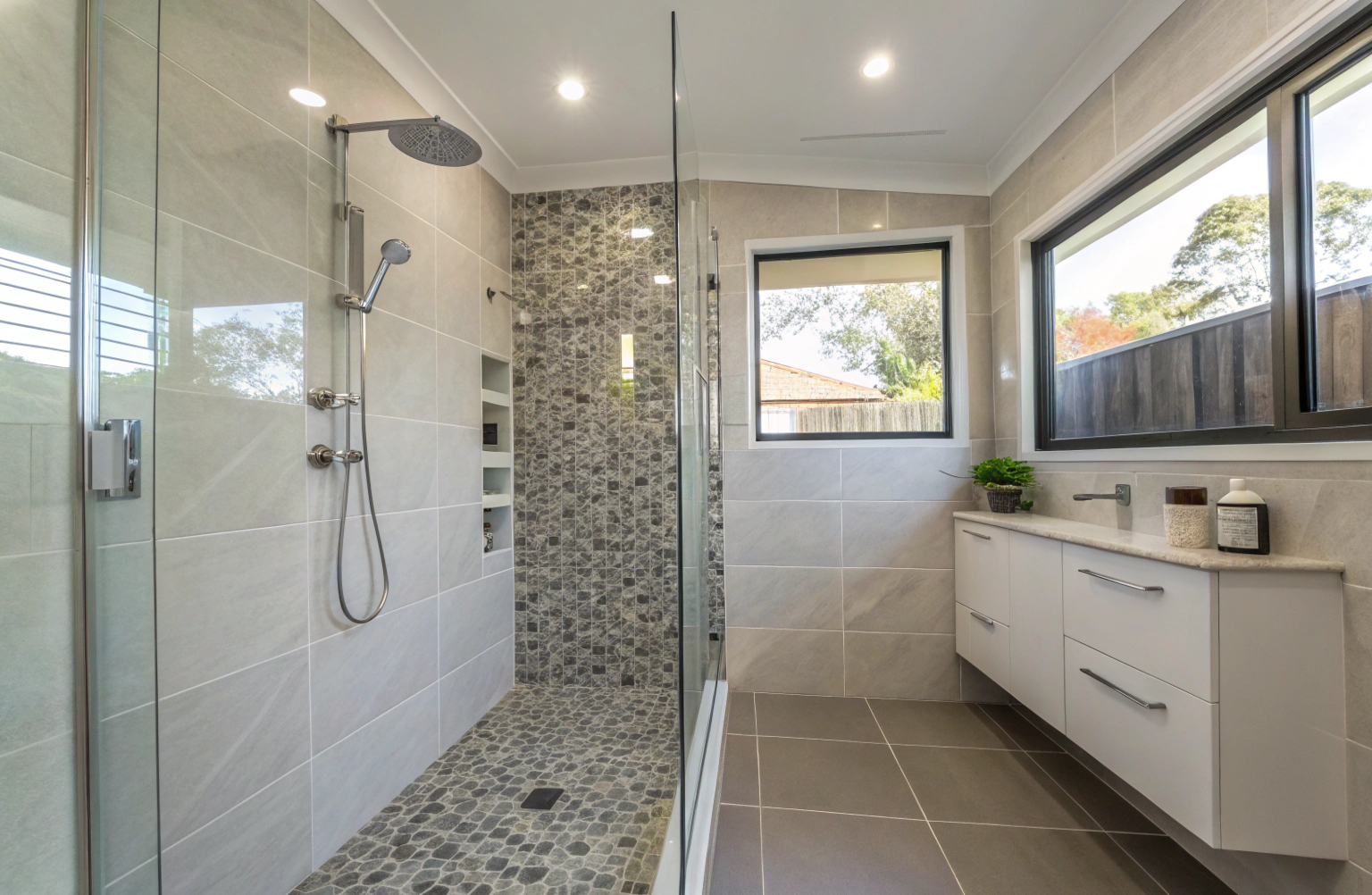
Step-free shower entries are becoming standard in Newcastle bathroom renovations — not just for accessibility purposes, but because they look better, feel more spacious, and are easier to clean. Achieving a genuine step-free entry isn’t simply a design decision; it’s a floor levelling challenge. The bathroom floor outside the shower and the shower floor itself need to meet at the same level, while the shower floor still maintains the required fall toward the drain. Getting that transition right without creating a lip, a raised edge, or a pooling point takes precise levelling work from the very beginning of the project.
This is exactly the kind of job where floor levelling earns its place as a skilled trade rather than a preparatory step. A few things that need to be worked through when designing for step-free shower access:
- The surrounding bathroom floor level has to be established correctly before any levelling compound is poured
- The shower floor gradient needs to fall toward the waste without rising at the entry point
- Waterproofing details at the transition zone need to be planned around the levelling work, not added as an afterthought
- Hob-free shower formers can assist with achieving the correct geometry when the existing slab doesn’t cooperate
We work through these details during the assessment stage so the finished result is flush, properly drained, and built to meet AS 1428 accessibility requirements where needed.
Fall and Drainage — Getting the Shower Floor Gradient Right
A shower floor can’t be perfectly flat — water needs somewhere to go, and that means the floor has to be laid with a deliberate gradient toward the floor waste. This is called the fall, and getting it right is one of the more technical parts of bathroom floor levelling that separates experienced tradespeople from those who are just pouring compound and hoping for the best.
Australian standards require a minimum fall of 1:60 toward the floor waste in a shower area — roughly 17mm of drop for every metre of floor. In practice, achieving that gradient consistently across the entire shower floor while also keeping the surface smooth enough for tiles to sit flat on is a precise piece of work. Too little falls and water pools on the floor. Too much falls in the wrong direction, and water runs toward the wall instead of the drain.
We map the fall during the assessment stage and build it into the levelling work from the start — not as an afterthought.
Floor Levelling Before vs After Waterproofing — Getting the Sequence Right
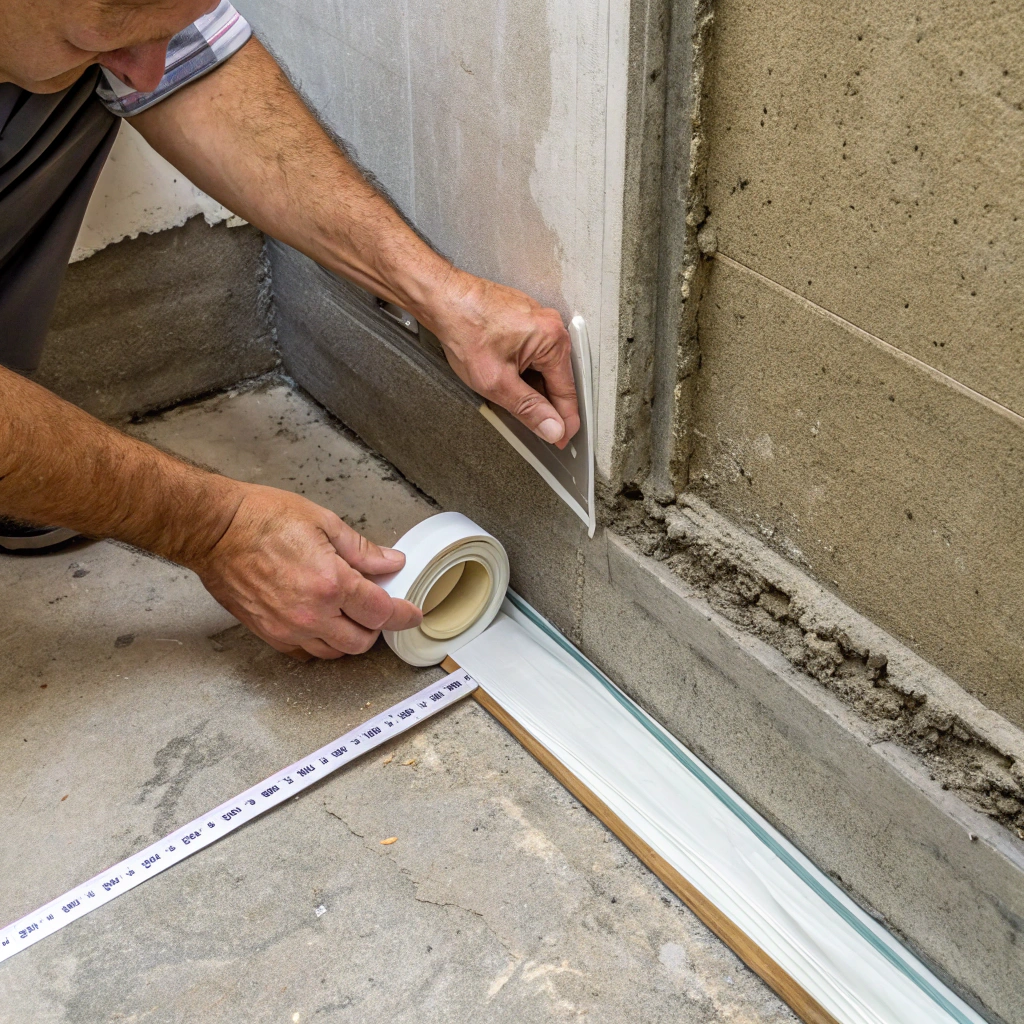
The sequence matters more than most people realise, and getting it wrong is one of the most common mistakes made during bathroom renovations. Floor levelling always comes before waterproofing — not after. The levelling compound needs to go down onto the raw, prepared substrate so it bonds correctly and creates a smooth, stable surface for the waterproofing membrane to sit on. If waterproofing goes down first and levelling compound is applied on top, the compound has nothing solid to bond to, and the waterproofing membrane is compromised before a single tile goes down.
Once the levelling compound has been applied and has fully cured, the waterproofing membrane goes over the top — covering the floor, the wall junctions, and any penetrations like the floor waste. Tiling comes after that. It’s a straightforward sequence, but every stage depends on the one before it being done correctly. Skipping steps or reversing the order creates problems that don’t show up immediately but will cause significant damage down the track in Newcastle’s coastal humidity.
Self-Levelling Compound vs Manual Levelling for Bathroom Floors
| Self-Levelling Compound | Manual Levelling |
|---|---|
| Self-levelling compound is a cement-based product mixed with water and poured directly onto the floor, where it spreads and settles into a smooth, flat surface under its own weight. It’s the right choice for larger bathroom areas where unevenness is spread across the floor rather than concentrated in one spot, and it delivers a consistently smooth finish that tiles and vinyl can go straight down onto. | Manual levelling is done by hand using screeds, floats, and patching compounds to build up specific areas of the floor rather than covering the entire surface. It’s the better approach for smaller bathrooms, more significant unevenness in isolated spots, or situations where the floor has a concentrated low point that needs to be built up before anything else can proceed. Both methods are used regularly across Newcastle bathroom renovations. |
How Floor Levelling Works in a Bathroom — Step by Step
| Step 1: Floor Assessment | Step 2: Surface Preparation | Step 3: Crack and Damage Repair |
|---|---|---|
| We examine the existing floor thoroughly, check for unevenness, cracks, soft spots, and moisture that could cause problems further down the track. Everything that follows is driven by what we find here. | The floor is cleaned and stripped of old adhesive, loose material, and any contaminants that would stop the levelling compound from bonding correctly to the substrate beneath it. | Cracks, holes, and damaged sections are filled and stabilised before levelling begins. Pouring compound over existing damage doesn’t fix anything — it just buries it. |
| Step 4: Priming the Floor | Step 5: Applying the Levelling Compound | Step 6: Curing and Drying |
|---|---|---|
| A primer coat goes down to seal the surface, improve adhesion, and control moisture absorption as the compound sets. Skipping this step is one of the most common shortcuts that leads to a compound that lifts or cracks. | The compound is mixed and applied across the floor, with the required drainage fall built into the shower area from the start — not corrected afterwards. | The compound cures fully before anything goes on top. Rushing this stage causes tiles to shift and grout lines to fail. We give you a clear timeframe before waterproofing or tiling begins. |
| Step 7: Final Check | ||
|---|---|---|
| We check the entire surface against the flatness tolerance required for your specific flooring before handing the floor over for the next stage. |
How Thick Can Floor Levelling Compound Go in a Bathroom?
This is one of the most common questions that comes up during a bathroom floor assessment, and the answer depends on the product being used and the condition of the existing floor. Most standard self-levelling compounds can be applied between 3mm and 40mm in a single pour, but going beyond the manufacturer’s recommended thickness in one application can cause the compound to crack as it cures or fail to bond correctly to the surface beneath it. In situations where the floor needs significant buildup — common in older Newcastle homes where the concrete has settled unevenly over decades — we may need to apply the compound in multiple layers, allowing each layer to cure properly before the next one goes down. It takes longer, but it’s the only way to build up significant depth without compromising the integrity of the finished surface.
A few things worth knowing:
- Most bathroom floor levelling jobs in Newcastle fall within the 5mm to 20mm range — enough to correct typical unevenness without needing multiple pours
- Floors that need more than 40mm of buildup may require a different approach, including a screed layer or structural assessment before levelling compound is applied
- The thickness of the compound affects curing time — a thicker application takes longer to dry, and tiling or waterproofing can’t begin until the compound has cured completely through its full depth
- Large format tiles are less forgiving of surface variation, so even a well-levelled floor may need a skim coat to achieve the tight flatness tolerance those tiles require
Floor Levelling and Large Format Tiles — Why Tolerance Matters
Large format tiles are one of the most popular choices in Newcastle bathroom renovations right now — and they’re also the least forgiving surface you can lay when it comes to floor flatness. A standard tile can bridge minor surface variation without too much trouble, but a 600×600 or 900×900 tile will rock, hollow-bond, or crack if the floor beneath it isn’t within a very tight tolerance across its full length.
Australian standards specify that a floor surface should not deviate more than 3mm under a 1.8 metre straightedge before tiling begins. For large-format tiles, experienced tilers will often want that tolerance tighter. Even a small high point or low spot that wouldn’t cause any issue under a smaller tile becomes a genuine problem when a large-format tile spans across it.
We level bathroom floors to the tolerance required for the specific tiles going down, not to a generic standard that might fall short when the tiler shows up and starts checking the floor.
Bathroom Floor Levelling FAQs — Newcastle Homeowners' Most Common Questions
Does the floor need to be levelled before waterproofing? Y
Yes, always. Floor levelling comes before waterproofing, not after. The levelling compound needs to bond directly to the prepared substrate, and the waterproofing membrane then goes over the cured, levelled surface before any tiling begins.
Can you level a bathroom floor without removing existing tiles?
In some situations, yes. Levelling compound can be applied over existing tiles if they are fully bonded, structurally sound, and properly prepared. Loose or hollow tiles need to be removed first or the compound won’t bond correctly.
How thick can floor levelling compound go in a bathroom?
Most self-levelling compounds can be applied between 3mm and 40mm in a single pour. Floors needing more buildup than that require multiple layers with curing time between each application to avoid cracking or bonding failure.
Is floor levelling necessary for a small bathroom renovation?
Yes — bathroom size doesn’t change the requirement. Even a small bathroom with an uneven floor will cause tiles to crack, grout to fail, and the finished surface to look and feel wrong. Proper levelling applies regardless of the area involved.
Do you handle floor levelling before tiling?
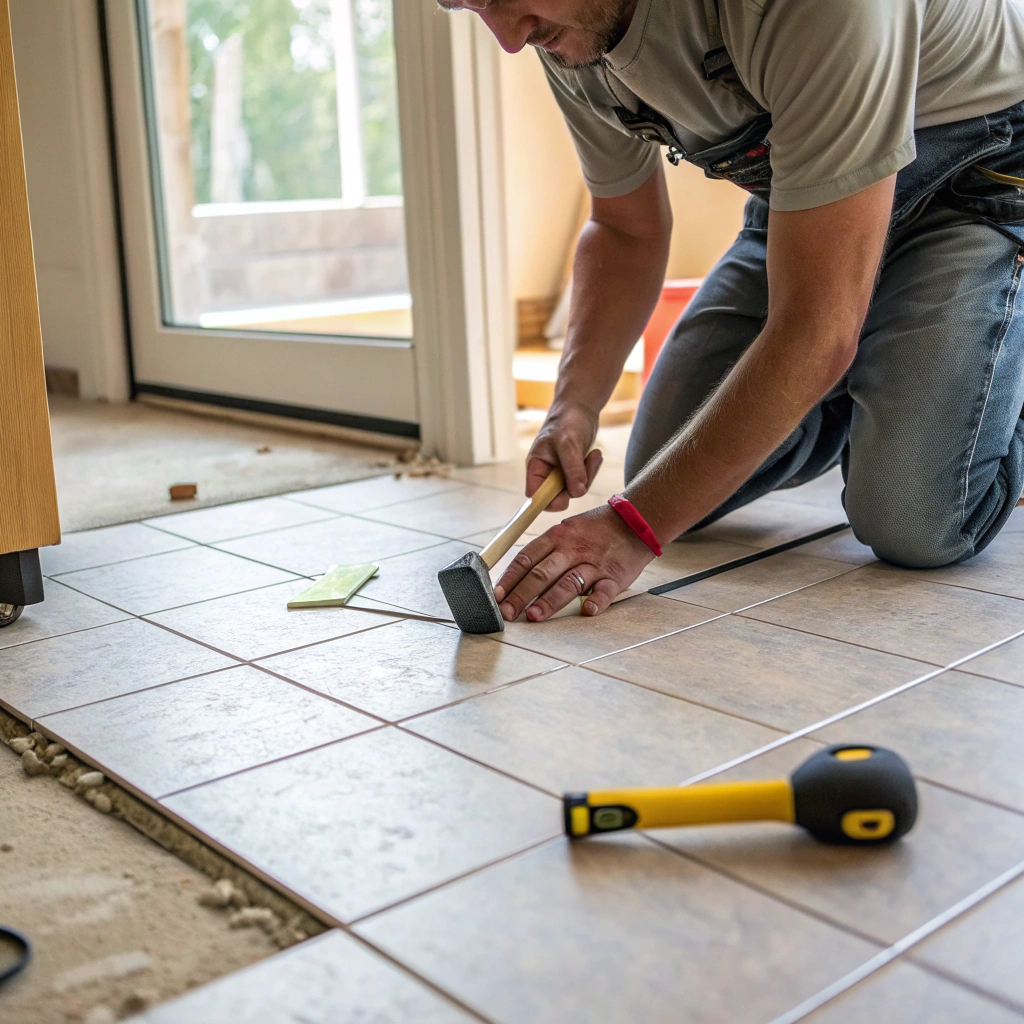
Yes. Floor levelling is part of our process and one of the most important steps in any floor tile installation. We assess and level the substrate before any tiles go down to avoid cracking and unevenness.
Can floor levelling fix a sloping bathroom floor?
Yes, in most cases. Self-levelling compound or manual levelling can correct a sloping floor back to a flat, even surface. The extent of the slope determines the approach and whether multiple applications are needed to achieve the correct result.
Get a Free Bathroom Floor Assessment in Newcastle
If you’ve got a bathroom renovation coming up or an existing floor that’s causing problems, the best place to start is a proper look at what you’re actually working with. We come out, assess the floor, check for moisture, identify the extent of the unevenness, and give you a clear and honest recommendation on what needs to happen before anything else goes down. No obligation, no pressure — just straightforward advice from someone who works with bathroom floors across Newcastle every day.
Call us or fill in the contact form to book your free floor assessment. We cover Newcastle, the Hunter Valley, and surrounding suburbs, and we’ll give you a realistic picture of what the levelling work involves, how long it will take, and what it will cost before any work begins.
Find a Local Bathroom Renovations Company in Newcastle
