
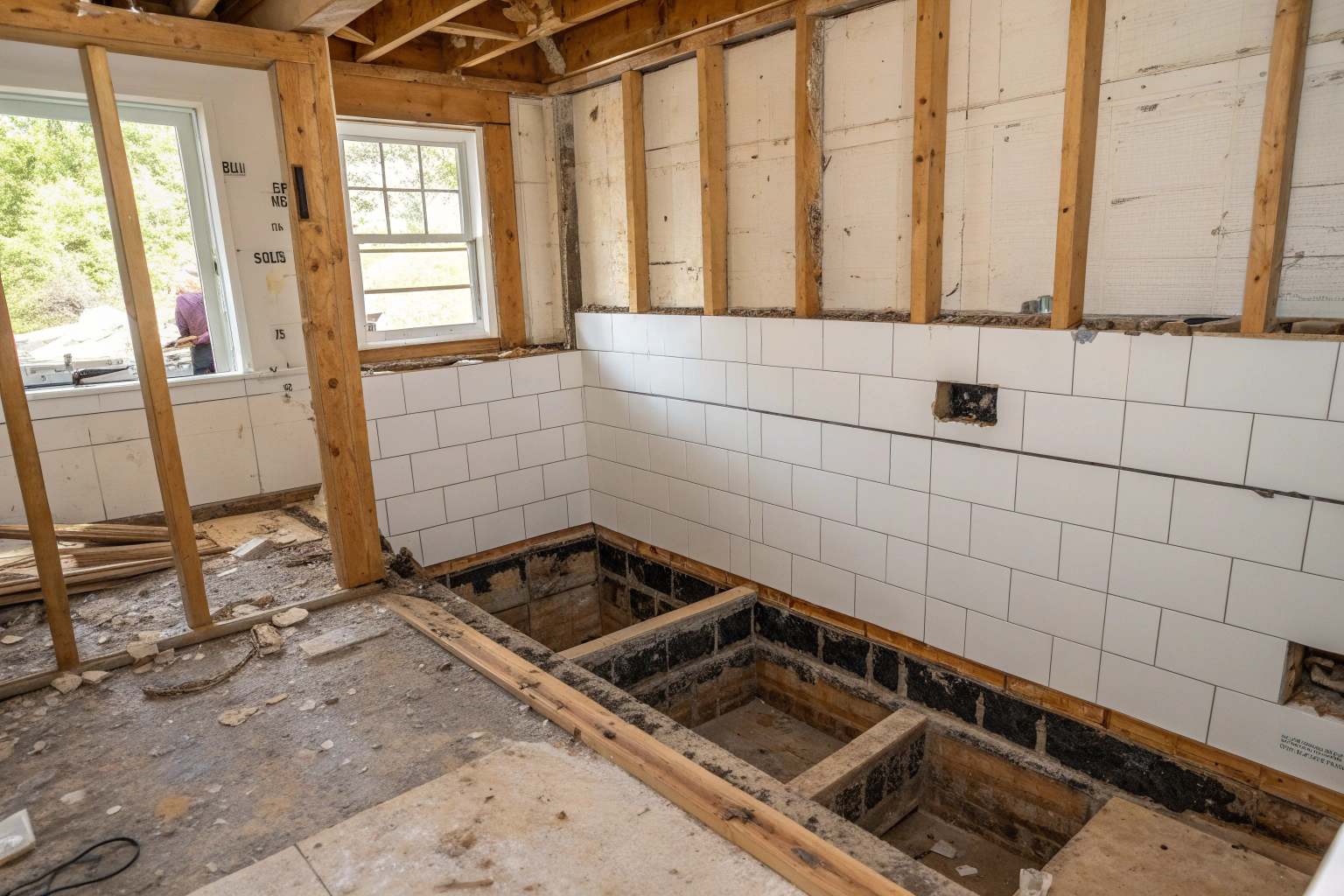
What Causes Water Damage in a Bathroom?
Bathroom water damage in Newcastle homes is most commonly caused by:
- Failed shower waterproofing — when the waterproofing membrane breaks down, water gets behind tiles and into the subfloor or walls without you knowing
- Deteriorated grout and tile seals — small cracks let moisture through over time, and the damage builds slowly before it becomes visible.
- Leaking shower fixtures or fittings — worn seals around taps, shower heads, and waste outlets let water escape with every use
- Burst or leaking pipes — can cause sudden, significant damage inside walls and floors.
- Poor ventilation — trapped moisture speeds up mould growth and material damage, especially in Newcastle’s coastal humidity
- Overflowing basins or baths — less common, but can cause a lot of damage quickly.
In many cases, the visible damage shows up well away from the actual source — water moves through walls, floors, and ceilings before it appears.

Why Water Damage Gets Worse the Longer It's Left
Water damage doesn’t sit still. Every day the source isn’t fixed, moisture keeps moving into the building materials around it — timber frames, plasterboard, subfloors, and wall cavities. What starts as a small leak behind a shower can quietly spread through a wall cavity for months before it shows up somewhere visible.
Mould can start developing within days of water getting into a wall or floor space. Once it takes hold, it’s not just a cosmetic problem — it affects the materials it grows on and can impact the air quality in your home.
The other thing worth knowing is that the longer the damage goes unaddressed, the more material typically needs to come out and be replaced. A minor waterproofing failure caught early is a straightforward fix. The same failure left for a year or two can mean damaged subfloors, rotting timber, and a much bigger restoration job.
Getting it assessed early is always the better option — for your home and your budget.
Finding the Source of the Leak
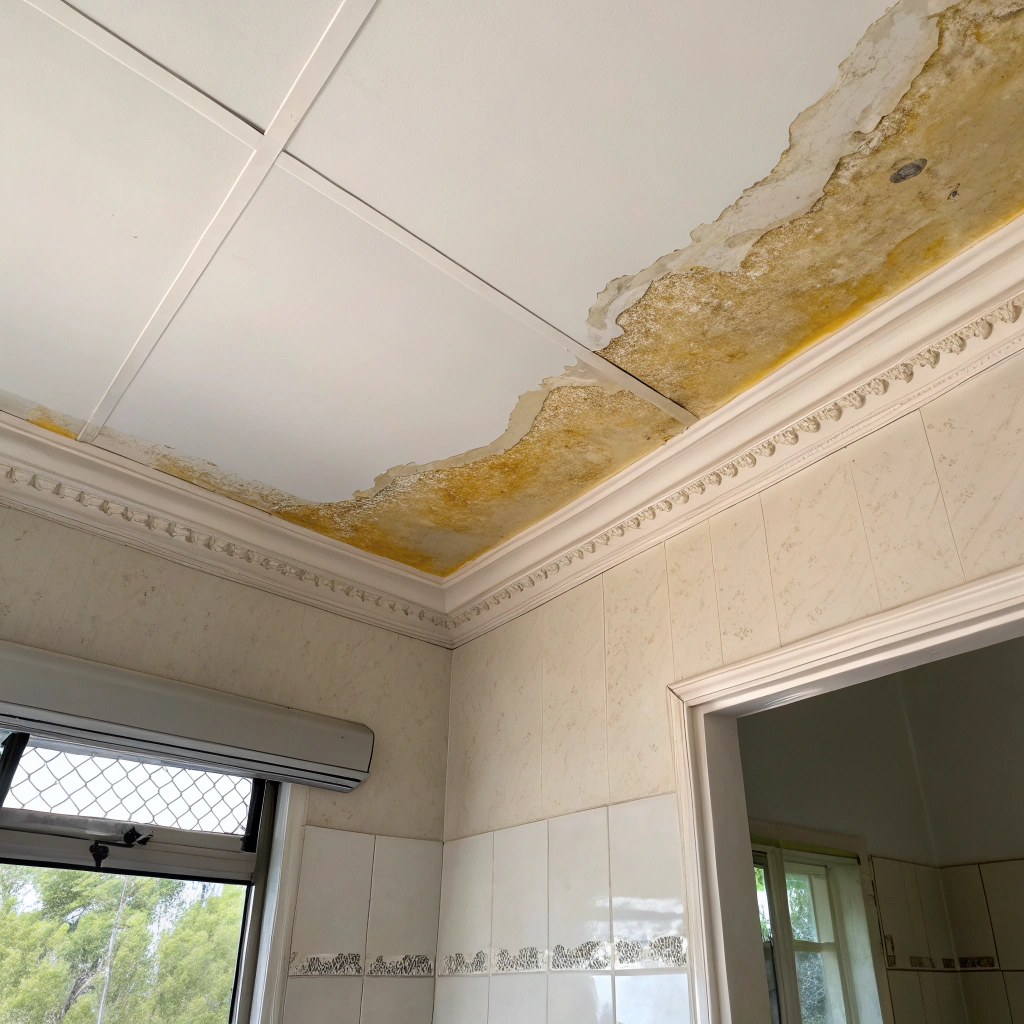
Types of Water Damage We Handle
Failed Shower Waterproofing: When the membrane behind your tiles breaks down, water spreads through walls and subfloors undetected — often for months before anything visible appears.
Deteriorated Grout and Tile Seals: Small cracks in grout let moisture through with every shower. The damage builds slowly over months before it becomes visible behind the wall.
Leaking Fixtures and Fittings: Worn seals around taps, shower heads, and waste outlets let water escape with every use — causing ongoing hidden damage inside walls and floors.
Burst or Leaking Pipes: Sudden and significant. A leaking pipe inside a wall can spread moisture through a large area quickly before it’s found and fixed.
Long-Term Undetected Damage: Older Newcastle homes can carry damage that’s been developing quietly for years. By the time it’s discovered, it’s often gone further than expected.
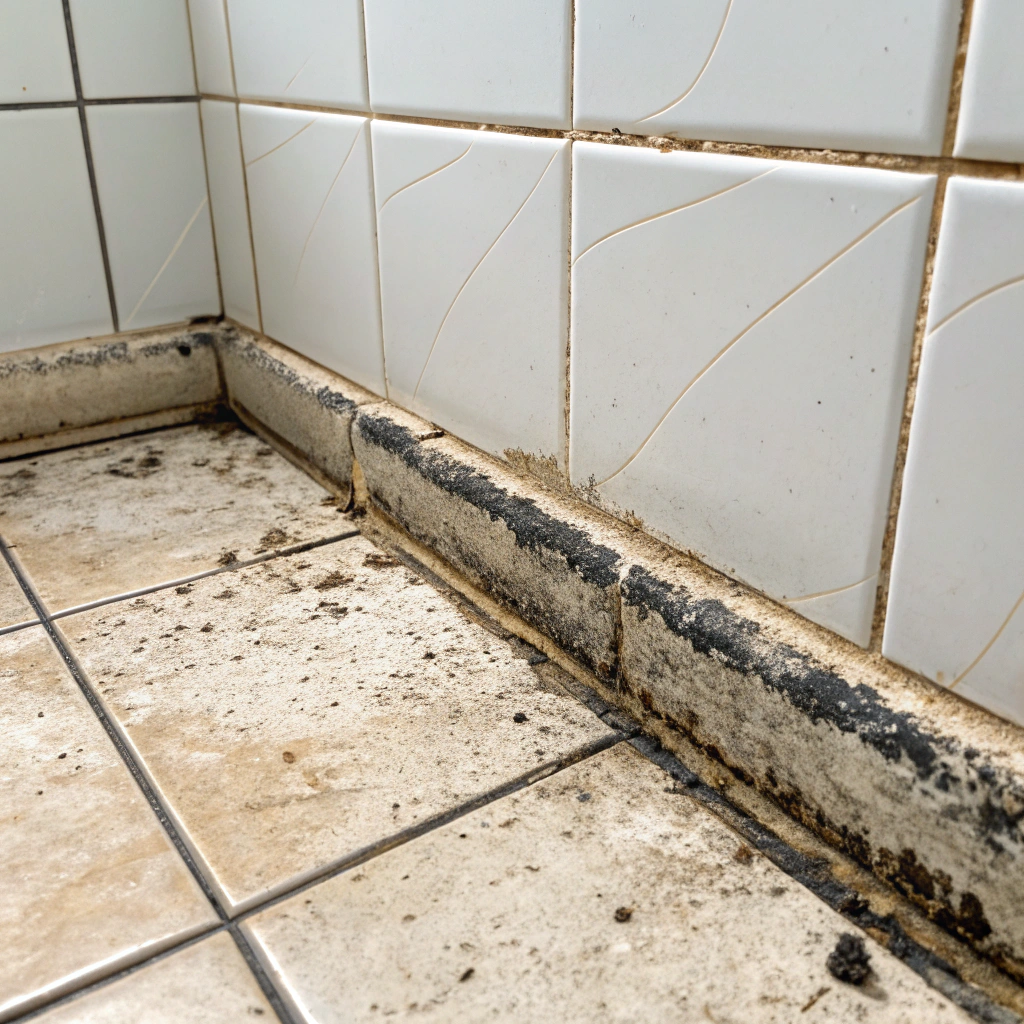
Fixing the Source Properly
Finding the leak is only half the job. Once we know exactly where the water is coming from, we fix it to a permanent standard — not a temporary patch that buys a few months before the problem comes back.
If the waterproofing membrane has failed, we redo it correctly to Australian standards. If grout has deteriorated, we replace it properly. If seals around fixtures have worn out, they’re restored so water has no way back in. The fix matches the problem, not the quickest or cheapest way to make it look better on the surface.
This matters because a surface patch without fixing the source just means the moisture keeps going. The wall or floor might look fine for a while, but the damage underneath continues until it shows up somewhere else — usually worse than before.
We only move on to restoring the damage once we’re confident the source is fully resolved. That’s the only way restoration work actually holds.
Restoring the Damage
Assessing the Full Extent: Before anything is repaired, we check behind tiles, inside walls, and beneath floors to understand exactly how far moisture has travelled.
Removing and Repairing Damaged Materials: Anything that’s been affected comes out and is replaced properly — we don’t cover over damaged material or work around it.
Drying Out and Preparing the Area: The affected space is fully dried and treated before new work goes in — skipping this step is why water damage often comes back.
Bringing It Back to Standard: The goal is restoring the area to the condition it was in before the damage — not just making it functional again.
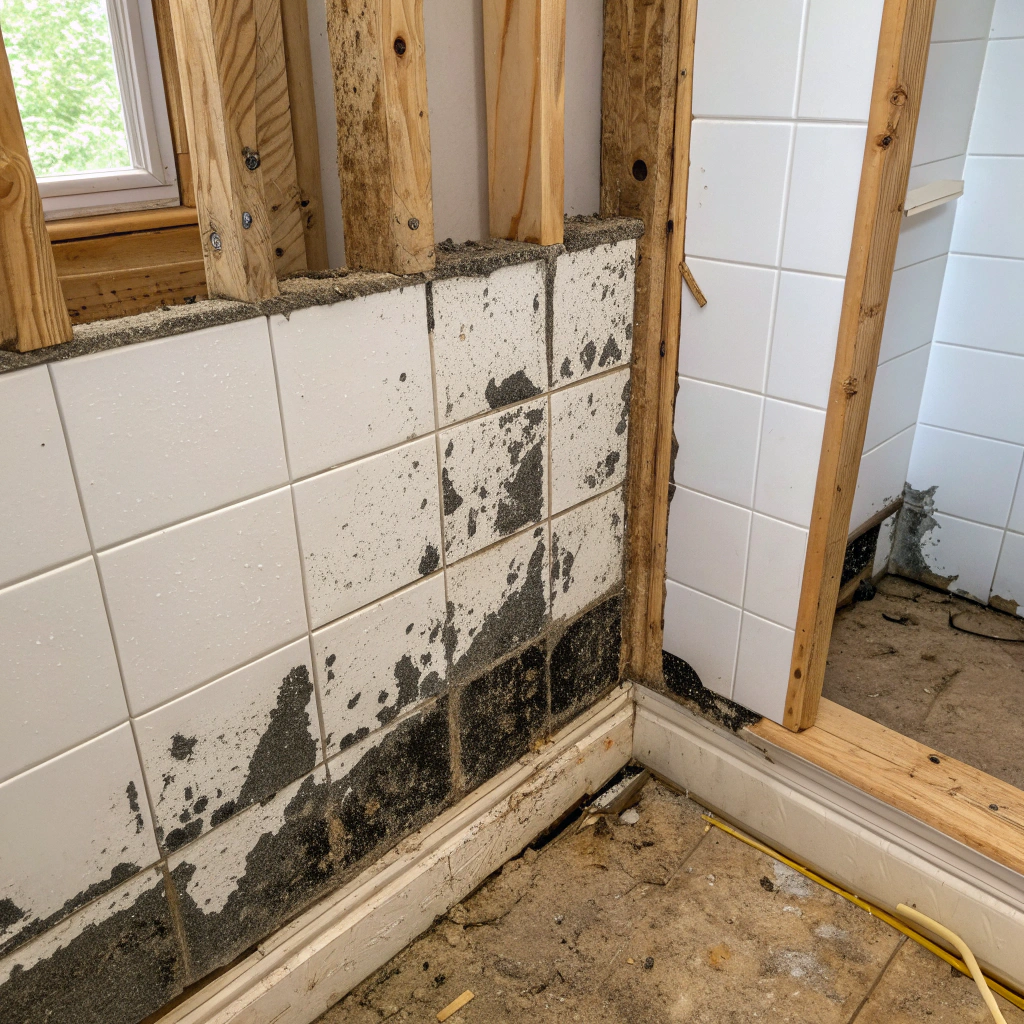
Mould — What It Means for Your Home and Your Health
Mould can start developing within days of water getting into a wall or floor cavity. In Newcastle’s coastal climate, where humidity is already higher than in most parts of the country, it doesn’t take long for mould to take hold once moisture is present.
For most people, it’s an inconvenience. For children, elderly residents, and anyone with a respiratory condition, it can be a genuine health concern — affecting air quality and aggravating existing conditions over time.
During our assessment, we identify any mould present, how far it’s spread, and what’s needed to treat it properly. Mould that’s painted over or wiped back without treating the affected material underneath will come back — so we deal with it as part of the restoration, not as an afterthought.
The most important thing is removing the moisture source. Once the leak is fixed and the area is properly dried out and treated, the mould has nothing to feed on. That’s what stops it returning — not surface cleaning alone.
Frequently Asked Questions
How do I know if I have water damage?
Common signs are damp patches on walls or ceilings, mould growth, peeling paint, musty smells, or tiles that sound hollow when tapped. If you notice any of these, get it assessed sooner rather than later.
How much does water damage repair cost in Newcastle?
It depends on the source, how far the moisture has spread, and what needs to be restored. We give you a clear quote after the assessment — no guessing and no surprises.
Can you find a leak without breaking tiles?
In many cases, yes. We use moisture detection methods that help us locate the source before anything comes apart. If tiles do need to come out, we’ll tell you why before we do anything.
How long does water damage repair take?
Most jobs take between three and seven days, depending on the extent of the damage and how much drying out is needed before restoration can start.
Will the mould come back after you treat it?
Not if the moisture source is properly fixed. Mould needs moisture to grow — once we remove the source and dry the area out correctly, it has nothing to feed on.
Is water damage covered by home insurance in Australia?
It depends on your policy and the cause of the damage. Sudden damage like a burst pipe is more commonly covered than long-term leaks. We recommend checking with your insurer — we can provide documentation of the damage to support your claim.
What happens if the damage is worse than expected once you open up the walls?
We stop, show you what we’ve found, and talk you through the options before any additional work goes ahead. Nothing happens without your approval first.
Ready to Get It Sorted?
If you’ve found water damage in your Newcastle home — or you suspect something isn’t right — we’re here to help.
One call gets you a free assessment, a clear picture of what’s going on, and a straight answer on what it’ll take to fix it properly.
We’ll find the source, explain what’s going on, and give you a clear path to fixing it properly. No obligation.
Call Us Now: 0240036435
Here’s how it works:
- Call or message us
- We assess the damage and find the source
- We fix it properly and restore what’s been affected
