
Professional Toilet Installation in Newcastle Homes
Most people don’t give their toilet much thought — until something goes wrong. Whether you’re replacing an old unit that’s seen better days or you’re in the middle of a full bathroom renovation and need the toilet component handled properly, getting the installation right from the start makes all the difference.
Toilet installation in Newcastle sounds simple enough on the surface, but there’s a lot more involved than most people realise — and a job done poorly can mean slow leaks, water damage, and repair bills that far outweigh what a correct installation would’ve cost in the first place. We’ve been fitting toilets across Newcastle homes for years, from straightforward replacements to full bathroom builds, and we do every single one with the same level of care and precision. Here’s what you need to know.

Why Professional Toilet Installation Matters More Than You'd Think
A lot of people assume toilet installation is a quick, simple job. It’s not. Done incorrectly, the consequences are slow, silent, and expensive.
Types of Toilets — What's Right for Your Bathroom?
Whether you’ve already picked your toilet or you haven’t given it a second thought yet, it helps to understand the options before committing.
How a Toilet Installation Actually Works
Assessment and Planning: Before anything gets touched, we check the existing plumbing, measure the space, and confirm the right toilet for the location. If there’s an existing toilet being removed, we handle that as part of the service — disposal included, no mess left behind.
Positioning and Levelling: The toilet gets positioned correctly over the pan flange, checked for level in multiple directions, and secured properly to the floor or wall frame depending on the style.
Waste Pipe and Base Seal: The connection to the waste pipe is fitted and sealed correctly, and the base seal is applied at floor level to prevent any moisture or odour escaping. Both of these details get checked thoroughly before we move to the next step.
Water Supply Connection: The supply line is connected, properly secured, and checked for any movement or play in the fittings.
Final Testing: Once everything’s in place, the toilet gets flushed repeatedly and inspected carefully around every connection point, the base seal, and the water supply line. We’re looking for any sign of movement, dripping, or incorrect function before we consider the job done.
Newcastle Homes, Local Experience
Friendly Staff
Newcastle’s housing stock throws up all sorts of situations when it comes to toilet installation. Older homes in Cooks Hill, Hamilton, Merewether, and Adamstown often have ageing plumbing that doesn’t always behave the way newer systems do. Waste pipe configurations, older pan flanges, and varying floor structures all add variables that someone without local experience might not be prepared for.
We’ve installed toilets across Newcastle in everything from character homes with decades-old plumbing to brand-new bathroom builds in more recent properties. When something unexpected comes up during an installation — and in older Newcastle homes, it sometimes does — we work through it properly rather than taking shortcuts to get the job finished faster. The goal is always the same: a toilet that’s fitted correctly, sealed properly, and built to last without causing problems down the track.
If you’re also thinking about accessibility requirements — grab rails, comfort height models, or a broader accessible bathroom renovation — we can talk through those options as part of the same conversation. We cover that work as a dedicated service alongside our bathroom renovation packages.


Wall-Hung vs Floor-Standing — Which One Should You Choose?
Wall-Hung Toilets: Wall-hung toilets create a cleaner, more open feel in any bathroom. The floor stays completely clear underneath, which makes cleaning dramatically easier and gives smaller bathrooms a more spacious look. They work particularly well in renovations where new tiling is being laid — the floor can be tiled continuously without any interruptions. The one thing to know is that wall-hung toilets require a structural in-wall frame to support them. We handle all of that framing work as part of the installation, so it’s not something you need to organise separately.
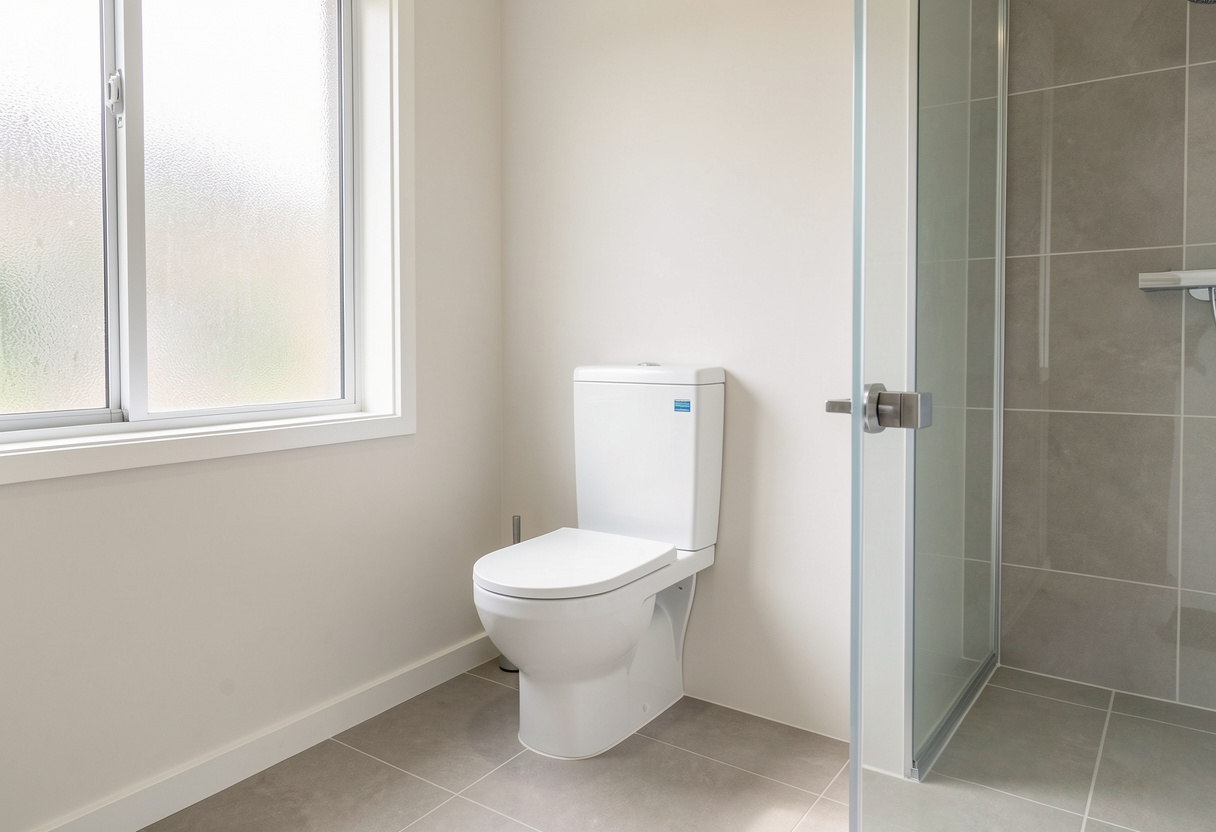
Floor-Standing Toilets: For existing bathrooms where the floor isn’t being changed, floor-standing toilets are often the more practical choice. The installation is more straightforward, the range of styles available is broader, and servicing is simpler down the track. If you’re doing a like-for-like replacement without a full renovation, a floor-standing model is usually the right call — and the finish can still look excellent with the right choice of style and suite.
Get a Free Quote for Toilet Installation in Newcastle
If you need a toilet installed — whether it’s a straightforward replacement or part of a larger bathroom renovation — we’re happy to help. We handle everything from supply advice and toilet selection through to full installation and testing, so you don’t need to coordinate multiple trades or figure out the details yourself.
Give us a call or fill in the contact form for a free, no-obligation quote. We’ll ask a few straightforward questions about your bathroom and what you’re after, and give you a clear answer on what’s involved and what it’ll cost. No runaround, no vague estimates — just a reliable local team who’ll get the job done correctly, first time.
FAQs About Toilet Installation in Newcastle
What are common toilet installation mistakes I should know about?
The biggest ones I see in Newcastle homes are an incorrect base seal, a poorly connected waste pipe, and supply lines that aren’t properly secured. Older properties in suburbs like Hamilton and Cooks Hill often have ageing plumbing that makes these mistakes more likely if the installer isn’t paying close attention. A bad base seal is particularly problematic in coastal homes where humidity already puts extra pressure on moisture management. Get those three things right and you’ve avoided about 90% of the problems I deal with in call-backs on work done by others.
How long do I need to wait before using a newly installed toilet?
Honestly, in most cases you can use it the same day — sometimes within the hour if the installation is straightforward and everything tests cleanly. The main thing to wait on is the silicone base seal, which typically needs around 24 hours to fully cure before the toilet gets heavy regular use. I always let Newcastle clients know this upfront so they can plan around it, especially families with young kids who only have the one bathroom. A little patience on day one saves you redoing the seal later.
Does a toilet installation in Newcastle need to be done by a licensed plumber?
Yes — in NSW, connecting a toilet to the waste system and water supply is licensed plumbing work and legally needs to be carried out by a licensed plumber or qualified bathroom renovator with the appropriate licence. It’s not just a technicality either — unlicensed work can void your home insurance and create real problems if you sell the property down the track. Newcastle homeowners in older suburbs sometimes try to cut costs here and it almost always costs more to fix later. Always ask for a licence number before anyone touches your plumbing.
Can I install a toilet anywhere in my Newcastle home?
Not quite anywhere — you need to be within a practical distance of an existing waste stack or drainage line, and the toilet needs adequate venting to prevent sewer gas issues. In Newcastle’s older housing stock, particularly the post-war homes across Adamstown, Mayfield, and Waratah, the existing drainage layout often determines what’s possible without major additional work. That said, I’ve helped plenty of homeowners add a second toilet or relocate one by extending the waste run — it just needs proper planning upfront. The best thing to do is get someone out to assess the plumbing before you commit to a layout.
What is the minimum space required for a toilet in Newcastle bathrooms?
The Australian Standard requires a minimum of 600mm clear space in front of the toilet pan and at least 450mm from the centre of the pan to any side wall or obstruction. For a standalone toilet room, you’re generally looking at a minimum floor area of around 900mm x 1200mm to meet code. Newcastle’s older terrace homes and semi-detached properties in areas like Wickham and Islington can get tight, but it’s usually workable with the right layout. I always check measurements against current Australian Standards before confirming a design so there are no surprises during council sign-off.
Do you need council permission to install a toilet in Newcastle?
For a straightforward like-for-like replacement in the same location, you generally don’t need a council approval — just licensed plumbing work with the relevant certificates. If you’re adding a new toilet where there wasn’t one before, or relocating one as part of a renovation, you’ll likely need a plumbing approval and potentially a development application depending on the scope. Newcastle City Council has specific requirements for heritage-listed properties in character suburbs like Cooks Hill and The Junction, which can add an extra layer to the process. I sort out the paperwork side for clients as part of the job so nothing gets missed.
Find a Local Bathroom Renovations Company in Newcastle
