
Bathroom Tiling in Newcastle — Precision Work That Transforms the Space
When it comes to how your bathroom actually looks and feels, nothing does more heavy lifting than the tiling. Not the vanity. Not the fixtures. The tiles. They cover more surface area than anything else in the room, and when they’re laid well — with clean lines, solid adhesion, and grout that sits perfectly — the whole space comes together in a way that’s genuinely hard to put your finger on. It just looks right.
We do bathroom tiling in Newcastle for homeowners who want that result. Not a tiling job that gets it “close enough,” but one that holds up to the demands of daily use, stays looking sharp for years, and makes the renovation investment actually worth it. From full retiles to feature walls and shower recesses, this is the work we take seriously.

Why Quality Bathroom Tiling Matters
The bathroom is the hardest working wet area in any home. Every single day those tiles are dealing with steam, standing water, temperature swings, and cleaning products — and that cycle doesn’t stop. The difference between tiling done well and tiling done poorly isn’t always obvious on day one. It shows up six months later, then two years later, when the grout starts cracking, tiles start lifting, or water works its way behind the surface and causes damage that costs far more to fix than the tiling job itself.
The Range of Bathroom Tiling Work We Handle
Bathroom tiling isn’t one single job — it covers a range of different scopes, surfaces, and applications, and each one has its own set of requirements. Whether you’re retiling an entire bathroom from floor to ceiling or just refreshing one wall to give the space a lift, the approach changes depending on what the project calls for. Here’s what falls under bathroom tiling and how we handle each one.
Waterproofing and Wet Area Considerations
Proper bathroom tiling depends on correct waterproofing before any tiles are installed. Key wet areas like shower walls, floors, and bath surrounds must be sealed with a properly applied membrane to prevent water from leaking into walls or flooring.
Poor waterproofing can lead to mould, structural damage, and tiles lifting—often requiring a full retile. That’s why waterproofing is treated as an essential part of the tiling process, with coordination between tilers and waterproofing specialists to ensure long-term durability.
Grout and Sealing — the Detail That Makes It Last
Grout is the part of a tiling job that most homeowners don’t think much about until it starts going wrong. And when it does go wrong — when it cracks, stains, goes dark with mould, or starts crumbling out of the joints — it makes the whole tiling job look tired even if the tiles themselves are in perfect condition.
The colour of the grout affects the overall look of the finished job significantly. A light grout on light tiles creates a seamless, clean look. A contrasting grout defines the tile pattern and adds visual interest. The wrong choice can undermine even great tile selection.


Choosing the Right Tiles for Your Newcastle Bathroom
Slip Rating for Wet Areas: For bathroom and shower floors, slip rating is essential for safety. Tiles must meet the appropriate rating for wet areas, as glossy tiles that look great on walls can become slippery and unsafe on floors.
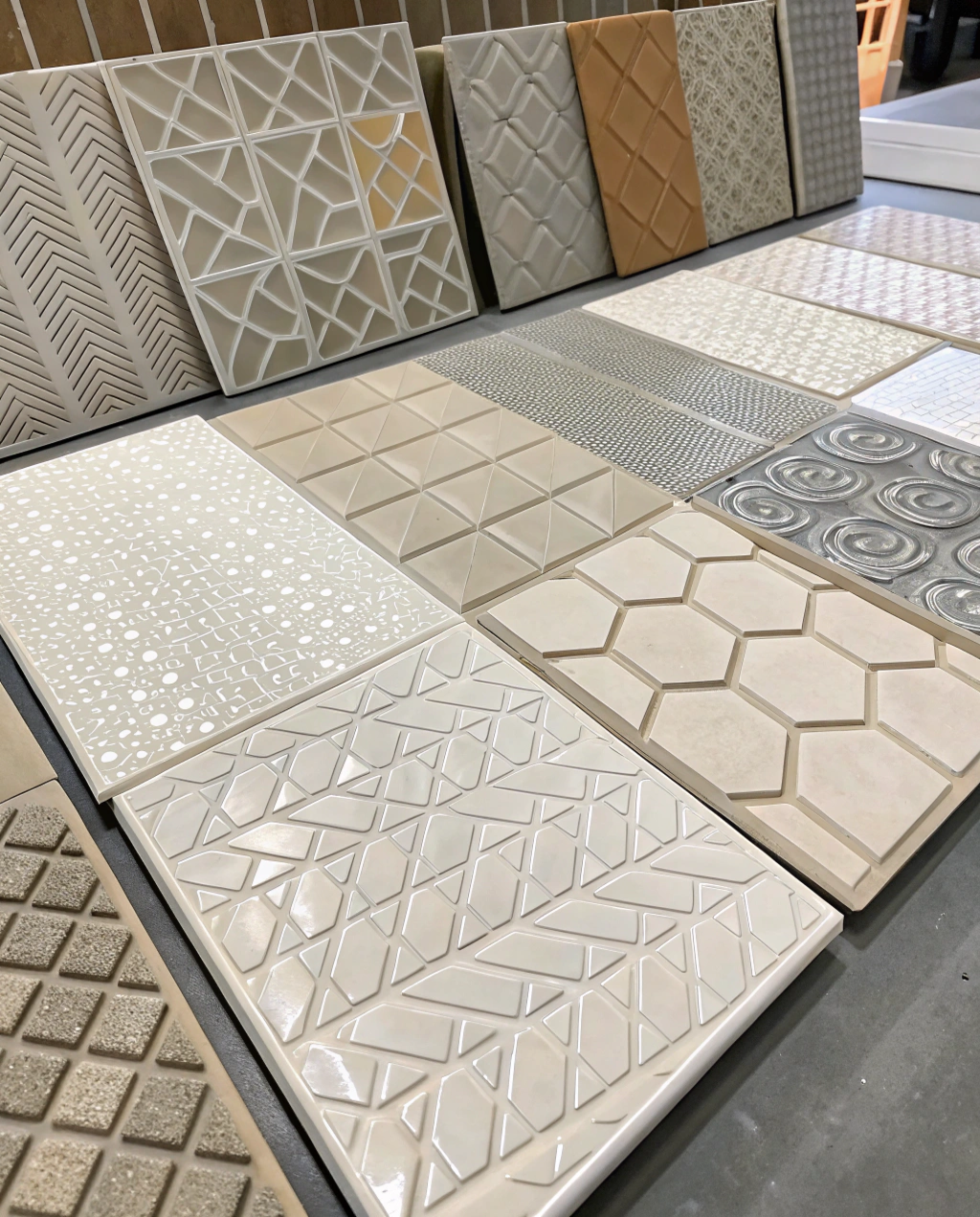
Tile Size and How It Affects the Space: Large-format tiles (600x600mm or larger) can make smaller bathrooms feel more spacious by reducing grout lines. Smaller tiles and mosaics add texture and are ideal for shower recesses or feature areas.
Porcelain vs Ceramic in a Bathroom: Porcelain tiles are denser and more water-resistant, making them ideal for bathroom floors and wet areas. Ceramic tiles are better suited for walls where there is less direct water exposure.
Colour and Finish Choices: Light tiles help create a brighter, more open feel, while matte finishes hide water marks better than high-gloss surfaces. Dark tiles create a bold look but typically require more maintenance to keep them looking clean.
The Bathroom Tiling Process, Start to Finish
Surface Preparation: The surface is thoroughly inspected before tiling begins. Damaged areas are repaired, and the substrate is checked for stability and flatness to ensure proper tile adhesion and long-term durability.
Planning the Layout: The tile layout is planned in advance to ensure cuts, patterns, and alignment look balanced and intentional from every visible angle in the room.
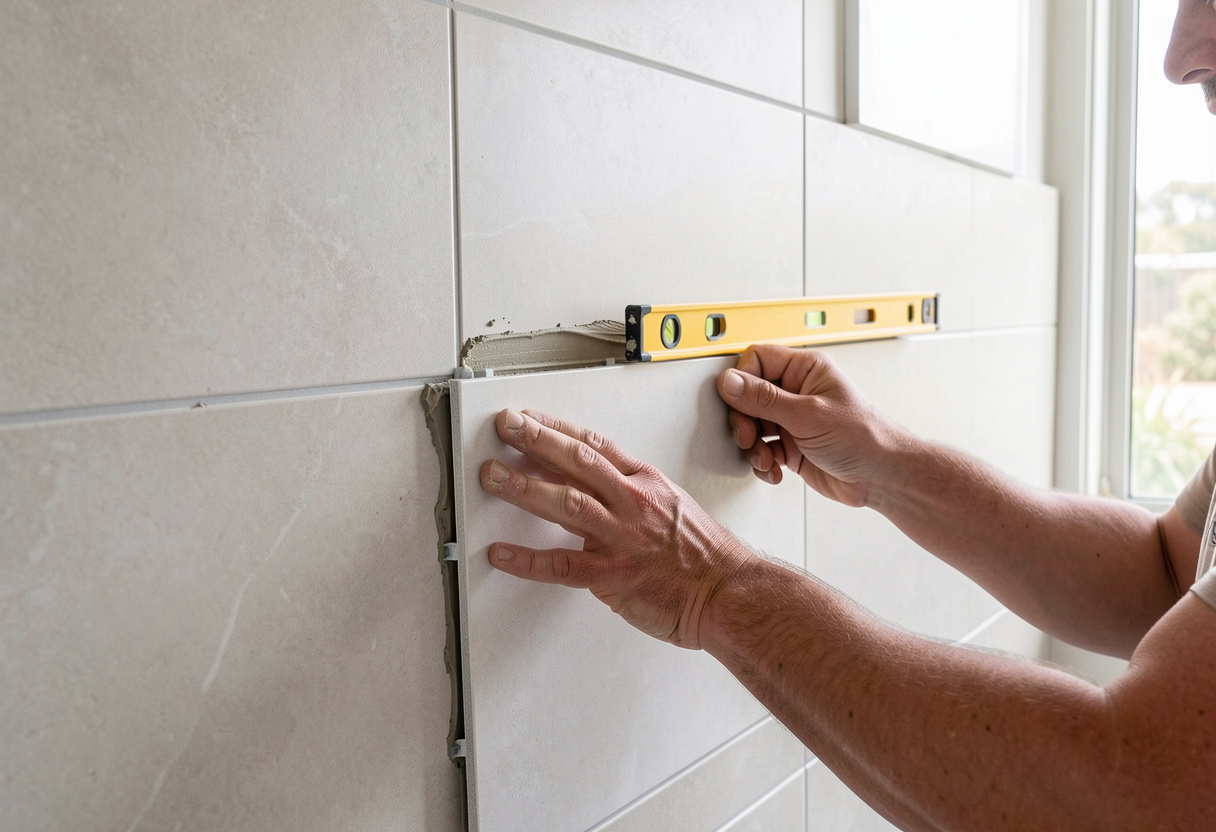
Laying the Tiles: Tiles are installed using the correct adhesive coverage and spacing, with each tile carefully levelled to ensure a consistent, professional finish.
Grouting, Sealing, and Final Cleanup: After the adhesive cures, grout is applied and cleaned, then sealed to protect against moisture and stains. The area is cleaned thoroughly, leaving a finished bathroom that is both durable and visually polished.
Ready to Get Your Bathroom Tiled? Let's Talk.
If your bathroom needs new tiles — whether that’s a full retile, a shower recess refresh, a new floor, or a feature wall — we’d love to take a look and give you a clear, no-obligation quote on the work involved. We’ll talk through tile options with you if that’s helpful, walk through what the process looks like for your specific bathroom, and give you a straight answer on timing and cost.
Give us a call or fill in the enquiry form to get started. The free quote comes with no pressure and no obligation — just a genuine conversation about what your bathroom needs and what it’ll take to get it looking the way you want it to look.
FAQs About Bathroom Tiling in Newcastle
How long does a bathroom tiling job typically take in Newcastle?
For a standard Newcastle bathroom — we’re talking the kind of 1980s single bathroom you find in a Hamilton or Adamstown brick home — tiling alone usually takes two to four days once the surface prep is done. A full retile involving floors, walls, and a shower recess will sit at the longer end of that range. If there’s significant substrate repair needed, which is pretty common in older Newcastle homes, add a day or two on top of that. I always give clients a realistic timeframe upfront so there are no surprises around school pickup or work schedules.
Can you tile over existing tiles in my Newcastle bathroom?
In some cases yes, but I’d rather be straight with you — it’s not always the right call. Tiling over existing tiles only works if the old tiles are fully adhered, the surface is flat, and adding the extra tile thickness won’t cause issues with door clearances or fixtures. In a lot of older Newcastle homes, especially those built before 1990, the original tiles have moisture damage or loose spots underneath that tiling over will just hide temporarily. I’d rather lift them and do it properly than have you calling me back in twelve months.
How much does bathroom tiling cost in Newcastle?
It genuinely depends on the scope, the tile you choose, and what the existing surface looks like when we get into it. A straightforward shower recess retile in a Newcastle home will sit differently to a full bathroom floor and wall retile in a larger Merewether property. As a rough guide, labour for bathroom tiling in the Newcastle area typically runs from around $60–$90 per square metre, but that’s before tiles, adhesive, grout, and any prep work that’s needed. I always provide a detailed quote so you know exactly what you’re paying for before anything starts.
Do I need to move out while the bathroom is being tiled?
No, you don’t need to vacate — but you will need to plan around not having access to that bathroom for a few days. For Newcastle families with only one bathroom, that’s the part worth thinking through in advance, particularly if you’ve got young kids or early starts. I’ve had clients arrange to use a neighbour’s bathroom, set up a temporary outdoor shower, or time the job around a short trip away. I’ll always talk through the access situation before we start so you can plan properly.
How do I look after my new bathroom tiles once the job is done?
The main thing is to let the grout sealer do its job and avoid harsh acidic cleaners that strip it back over time — that rules out a lot of the cheap supermarket tile cleaners. For Newcastle bathrooms close to the coast, I’d suggest wiping down the shower recess regularly because the combination of soap scum and coastal humidity accelerates grout discolouration faster than it would inland. A mild pH-neutral cleaner and a weekly wipe-down is genuinely all it takes to keep grout looking sharp. I’ll always run you through care instructions on the day we finish.
What's the difference between getting just the tiling done versus a full bathroom renovation?
A tiling-only job makes sense when your bathroom layout, plumbing, and fixtures are all still in good shape — you just want the surfaces refreshed. It’s a popular option in Newcastle suburbs like Cooks Hill and The Junction where homeowners love the bones of their older homes but the tiles are stuck in 1987. A full renovation involves coordinating plumbers, electricians, waterproofers, and tilers together, which I can help connect you with if that’s the direction you’re heading. If you’re unsure which route suits your bathroom, just send me a few photos and I can give you an honest read on it.
Find a Local Bathroom Renovations Company in Newcastle
