
Newcastle Grout Sealing – Local Experience Across Every Suburb
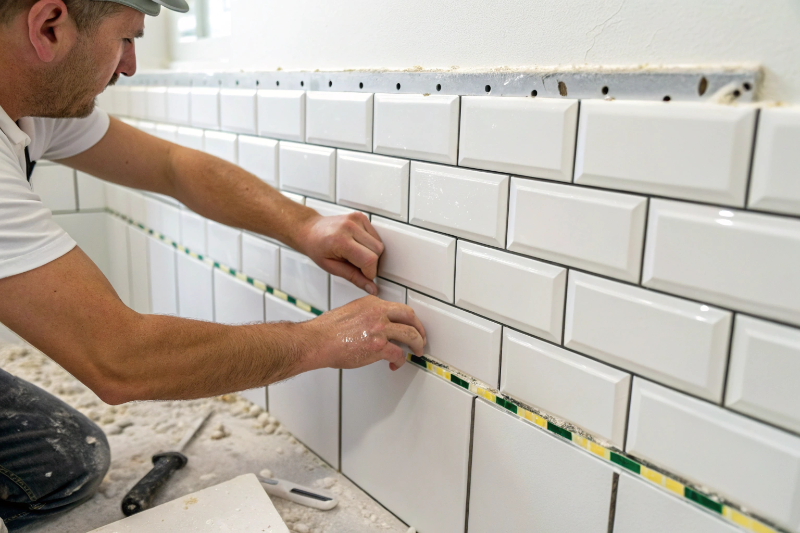
We’ve completed grout sealing jobs right across Newcastle — from older weatherboard homes in Hamilton and Cooks Hill, where the grout hasn’t been touched in decades, through to freshly tiled bathrooms in Merewether and Bar Beac,h where homeowners want to protect their investment properly from the start.
Older Newcastle homes present their own set of challenges. Grout that’s been sitting unsealed for years in a coastal environment tends to absorb a significant amount of salt air moisture, and getting it back to a condition where sealing is actually effective takes proper assessment and preparation — not just a quick product application.
We also work regularly across Charlestown, New Lambton, Kotara, Adamstown, and the broader Hunter region, so wherever you’re based, we’re familiar with the kinds of tiled surfaces and conditions we’re likely to encounter. Newcastle homes deserve grout sealing done properly — with the right products, the right preparation, and someone who genuinely cares about the finished result.

Why Grout Sealing Matters More Than Most People Realise
Grout is porous by nature. Left unsealed, it absorbs moisture, oils, dirt, and staining every single day — and once those things get in, they’re incredibly difficult to get back out. What looks like a surface-level cleaning problem is usually something that’s worked its way deep into the grout material itself, which is why scrubbing harder rarely makes much difference.
In Newcastle’s coastal climate, that moisture absorption becomes an even bigger issue. The humidity levels we deal with here — especially in bathrooms and kitchens — create exactly the kind of environment where mould and mildew take hold fast. Unsealed grout gives that moisture somewhere to go, and once mould gets into porous grout, it’s genuinely hard to shift.
There’s also the visual impact. Stained and discoloured grout drags down the entire look of a tiled surface — even when the tiles themselves are in perfect condition. A quality seal creates a protective barrier that keeps moisture, staining, and grime on the surface where they can actually be wiped away, and makes the whole surface significantly easier to keep clean going forward.
Signs Your Grout Needs Sealing
Most homeowners don’t think about their grout until something looks obviously wrong — but by that point, the grout has usually been absorbing moisture and grime for a long time. Here are the signs worth paying attention to.
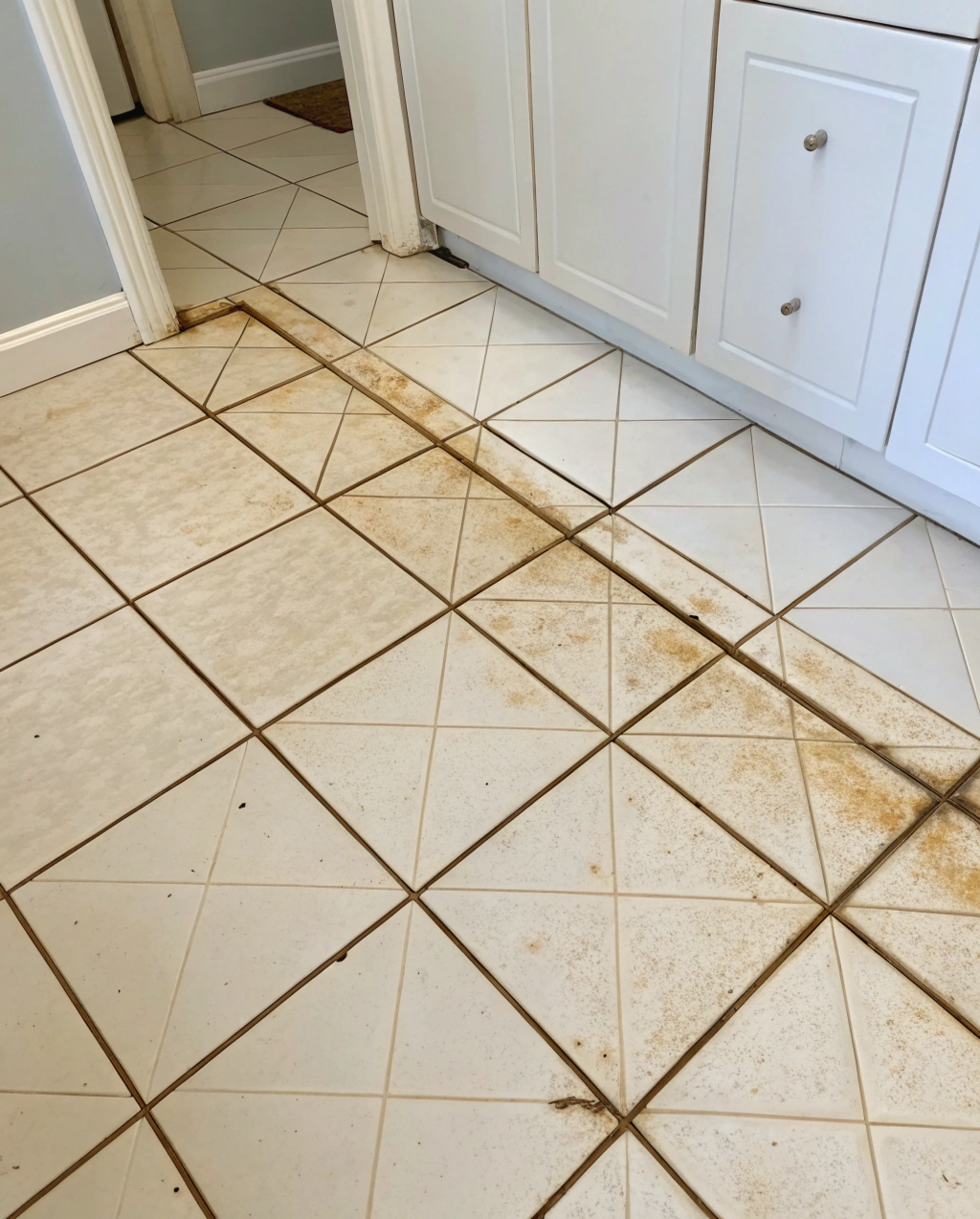
Staining that won’t come out with normal cleaning is one of the clearest indicators. If you’re scrubbing and the discolouration isn’t shifting, it’s likely worked its way into the grout itself rather than sitting on the surface.
Grout that looks dry, dusty, or faded is another sign — it suggests the existing seal has broken down and the grout is exposed again.
Visible mould or mildew in bathroom or shower grout lines points to moisture getting in where it shouldn’t be, which a proper seal addresses directly.
And if your tiled surfaces just generally look tired and neglected despite regular cleaning, the grout is usually the culprit. Fresh sealing can make a noticeable difference to how the entire surface looks — quickly and without the cost of replacing anything.
Grout Sealing for Newcastle Bathrooms – Showers, Floors & Wet Areas
Bathroom grout sealing isn’t a one-size-fits-all service — the grout in your shower recess is under significantly more stress than the grout on your bathroom floor, and both need a different level of attention than grout in a dry area elsewhere in the home.
Shower recesses deal with direct water contact every single day. The grout there needs a penetrating sealer that gets into the material itself and creates genuine protection from within — not just a surface coating that breaks down within months. Bathroom floors and wall tiles sit in a consistently humid environment and need products suited to that ongoing moisture exposure.
We assess each area of your bathroom separately before any sealing begins — checking the condition of the grout, identifying where moisture has already worked its way in, and selecting the right sealer for each specific surface. If your bathroom grout is connected to broader waterproofing concerns, we’ll talk you through that honestly rather than just sealing over a problem that needs more attention.
Why Bathroom Grout Needs More Protection Than Anywhere Else
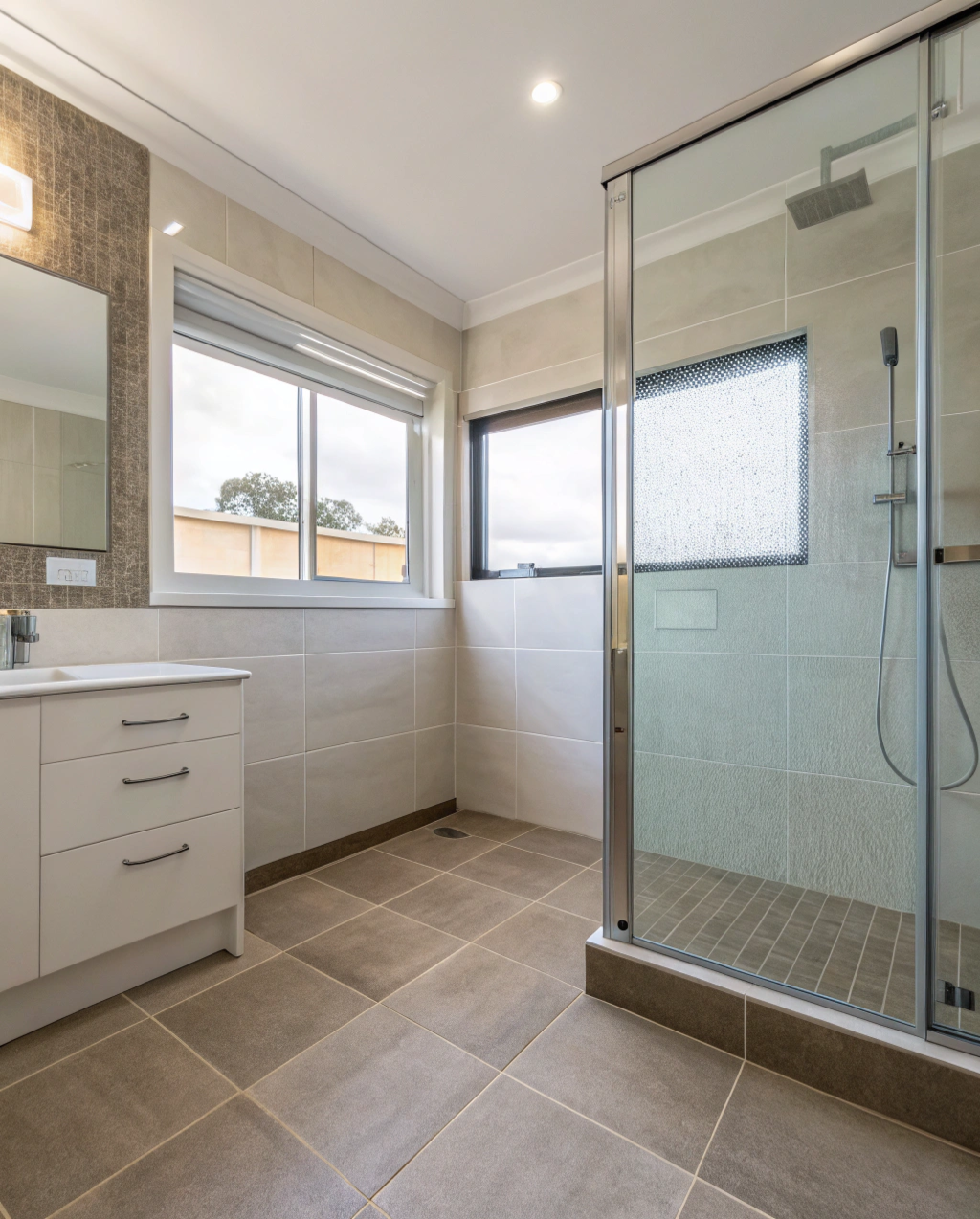
Bathroom grout takes more punishment than grout anywhere else in the home. It deals with constant moisture, steam, temperature changes, and frequent cleaning products — all of which break down an unsealed or poorly sealed grout surface faster than most people realise. In Newcastle’s coastal environment, where humidity is already elevated, that stress on bathroom grout is even more pronounced.
- Daily hot showers push steam and moisture directly into grout lines
- Cleaning products used regularly can strip away what little protection remains
- Salt air humidity from living close to the coast accelerates moisture absorption
Without a proper seal, that combination creates the perfect conditions for mould, mildew, and deep staining to take hold — and once it’s in, it’s not coming out with a scrubbing brush. Properly sealed bathroom grout keeps moisture on the surface where it can actually be wiped away, makes the whole surface significantly easier to keep clean, and acts as one of the most effective defences against the kind of mould problems that are genuinely common in Newcastle bathrooms close to the water.
Bathroom Grout Sealing – Stop Mould Before It Starts
Mould in bathroom grout is one of the most common complaints we hear from Newcastle homeowners — and it’s almost always the result of grout that’s either never been sealed or hasn’t been resealed in years. Once mould gets into porous, unsealed grout, it’s not a surface problem anymore. It’s worked its way into the material itself, and no amount of bleach or scrubbing fully resolves it.
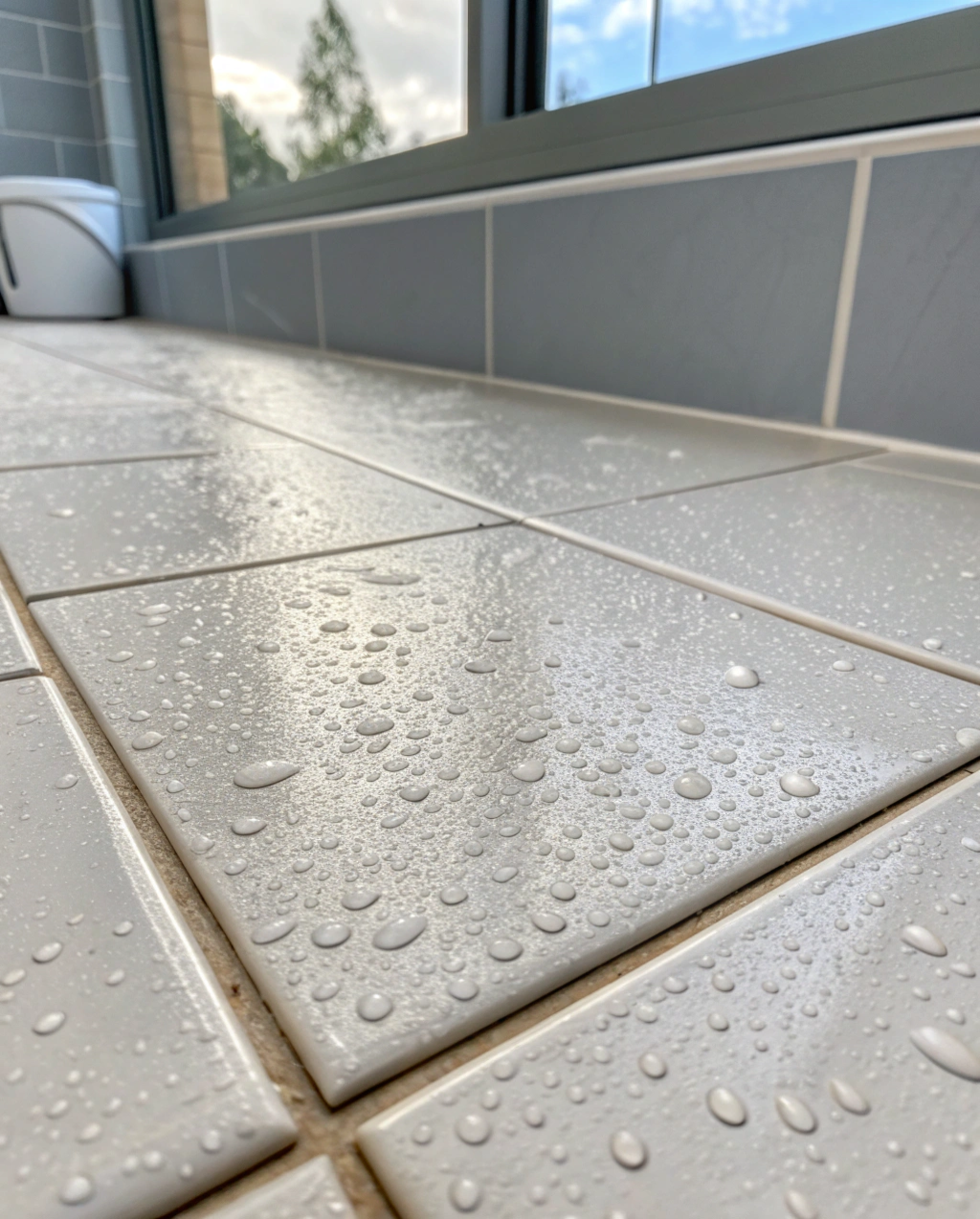
The good news is that properly sealed grout gives mould nowhere to go. When moisture can’t penetrate the grout surface, it stays on top where it gets wiped away during normal cleaning, rather than sitting in the grout lines and creating the damp conditions that mould needs to grow.
For Newcastle bathrooms,s especially where coastal humidity adds a constant layer of moisture to an already wet environment, grout sealing is genuinely one of the most practical steps a homeowner can take. It doesn’t just make your bathroom look better. It actively protects the surface against the kind of mould problems that are expensive and unpleasant to deal with once they’ve taken hold.
Frequently Asked Questions About Grout Sealing in Newcastle
How often should I reseal my grout?
Bathroom and shower grout in high-use areas typically needs resealing every one to two years. Grout in drier, lower-traffic areas like hallways or living rooms can go three to five years between reseals. We’ll advise you on what’s right for your specific situation.
Can you seal grout in an old bathroom?
Yes — older bathrooms are actually where grout sealing makes the biggest difference. Newcastle homes built between the 1960s and 1990s often have grout that’s never been properly sealed. We assess the condition first and clean the grout thoroughly before any sealer is applied.
Does grout need to be cleaned before sealing?
Absolutely, and this step can’t be skipped. Any dirt, staining, or residue sitting in the grout will be permanently locked in once the sealer goes on top. We clean and assess all grout thoroughly before sealing begins — never seal over a dirty surface.
How long does grout sealing take?
Most residential grout sealing jobs are completed in a single visit. The timeframe depends on the size of the area, the condition of the grout, and whether cleaning or preparation work is needed beforehand. We’ll give you a realistic timeframe after assessing your tiling.
Will grout sealing fix my mould problem?
Sealing prevents future mould by stopping moisture from penetrating the grout. However, existing mould needs to be properly treated and removed before sealing begins — applying sealer over active mould won’t solve the problem. We assess this honestly before any work starts.
What's the difference between grout sealing and grout replacement?
Grout sealing protects and refreshes existing grout that’s still in good structural condition. Grout replacement involves removing and relaying grout that’s cracked, crumbling, or too far gone to seal effectively. We’ll tell you honestly which option your grout actually needs.
Get a Free Grout Assessment – No Obligation, No Pressure
Grout sealing is one of the most practical and cost-effective things you can do for your tiled surfaces — and we make it easy to get started. We’ll come out, assess the condition of your grout, and give you honest advice on the best way to protect and refresh it. No obligation, no pressure, just straightforward guidance on what your tiles actually need.
If you’re a Newcastle homeowner who’s been putting this off, now’s the time to sort it out before the grout deteriorates further. Give us a call or submit an enquiry and we’ll organise a free assessment at a time that suits you.
Find a Local Bathroom Renovations Company in Newcastle
