

How to Prevent a Shower From Leaking
Preventing a shower leak isn’t about fixing one thing — it’s about keeping the whole waterproofing system in good shape. Here’s what that looks like in practice:
- Inspect waterproofing membranes annually — corners, joins, and where fittings meet the wall are the first places to go.
- Reseal around fixtures and shower screens when silicone starts cracking, shrinking, or discolouring
- Regrout deteriorating grout lines before water gets behind tiles and into the wall.
- Keep the shower well ventilated — moisture buildup speeds up seal and grout breakdown.
- Book a professional shower assessment every 2–3 years — especially in coastal areas like Newcastle, where salt air accelerates wear.
- Deal with small issues straight away — a small gap or crack becomes a costly structural problem fast.
In Newcastle’s coastal climate, standard maintenance isn’t enough. Salt air and humidity wear down waterproofing faster than most homeowners expect — making regular professional checks more important here than anywhere inland.

Why Prevention Is Smarter Than Repair
Most people don’t think about their shower waterproofing until something goes wrong. By that point, the repair bill is usually a lot bigger than it needed to be.
What Causes Showers to Leak
Understanding what causes shower leaks makes it easier to see why regular prevention checks are worth doing — especially in a coastal city like Newcastle.
Waterproofing Membrane Deterioration: Membranes break down over time — corners, joins, and fixture penetration points go first. These are also the hardest spots to catch without a proper inspection.
Grout and Seal Failure: When grout cracks or silicone pulls away from the wall, water gets behind tiles slowly at first, then consistently. By the time it looks worn, damage is often already underway.
Structural Movement: Houses move with seasonal temperature changes. Over time, that puts stress on waterproofing joints and seals — creating small gaps that water will eventually find.

How We Prevent Shower Leaks in Newcastle
Prevention work isn’t guesswork. We follow a clear process that covers the full shower system — finding weak points and treating them before they become active leaks.
Comprehensive Shower Assessment: We inspect the full shower membrane condition, grout lines, silicone seals, fixtures, and screen. The goal is to identify every vulnerability before water finds it first.
Resealing and Regrouting: Where wear is found, we treat it. Old silicone gets replaced, deteriorating grout is restored, and fixtures are resealed — all without removing tiles or opening walls.
Waterproofing Top-Up Where Needed: In areas where the membrane is showing deterioration, we reapply waterproofing directly. In most cases, this requires no tile removal — keeping the job clean, fast, and far less disruptive than a full repair.
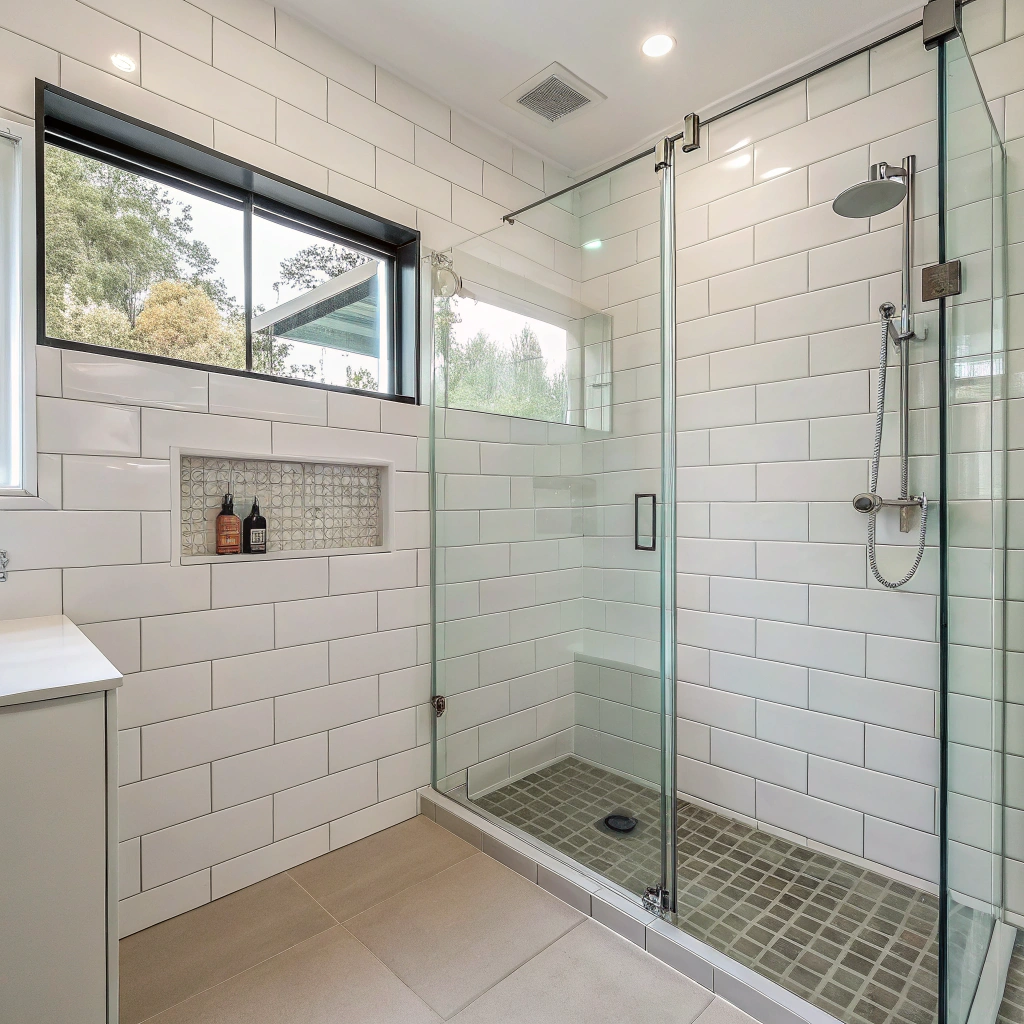
New Showers — Getting Protection Right From Day One
A new shower is the best opportunity to get waterproofing right before anything has a chance to go wrong. The materials are fresh, the surfaces are clean, and there’s nothing to undo.
We work with Newcastle homeowners on new shower waterproofing, whether we did the original install or not. If you’ve just had a shower put in and want independent confirmation that the waterproofing was done to a proper standard, we can assess and advise. If you’re planning a new shower and want it protected from day one, we can handle that too.
Getting it right at the start means you’re not dealing with preventable repairs down the track.
Newcastle’s Coastal Climate and Your Shower
Living close to the coast has its advantages — but your shower waterproofing isn’t one of them. Salt air and coastal humidity accelerate the breakdown of waterproofing membranes, grout, and silicone seals faster than most people realise. What might last 8–10 years in an inland home can deteriorate noticeably sooner in suburbs sitting 2–5km from the ocean.
For Newcastle homeowners in areas like Merewether, Bar Beach, Cooks Hill, and The Junction, this means standard maintenance timelines don’t apply. Waiting 5 years between professional checks is too long. Salt air gets into every gap, humidity keeps surfaces consistently damp, and the combination quietly wears down waterproofing that looks fine on the surface.
Regular professional attention isn’t overcautious in Newcastle — it’s just what the climate demands.
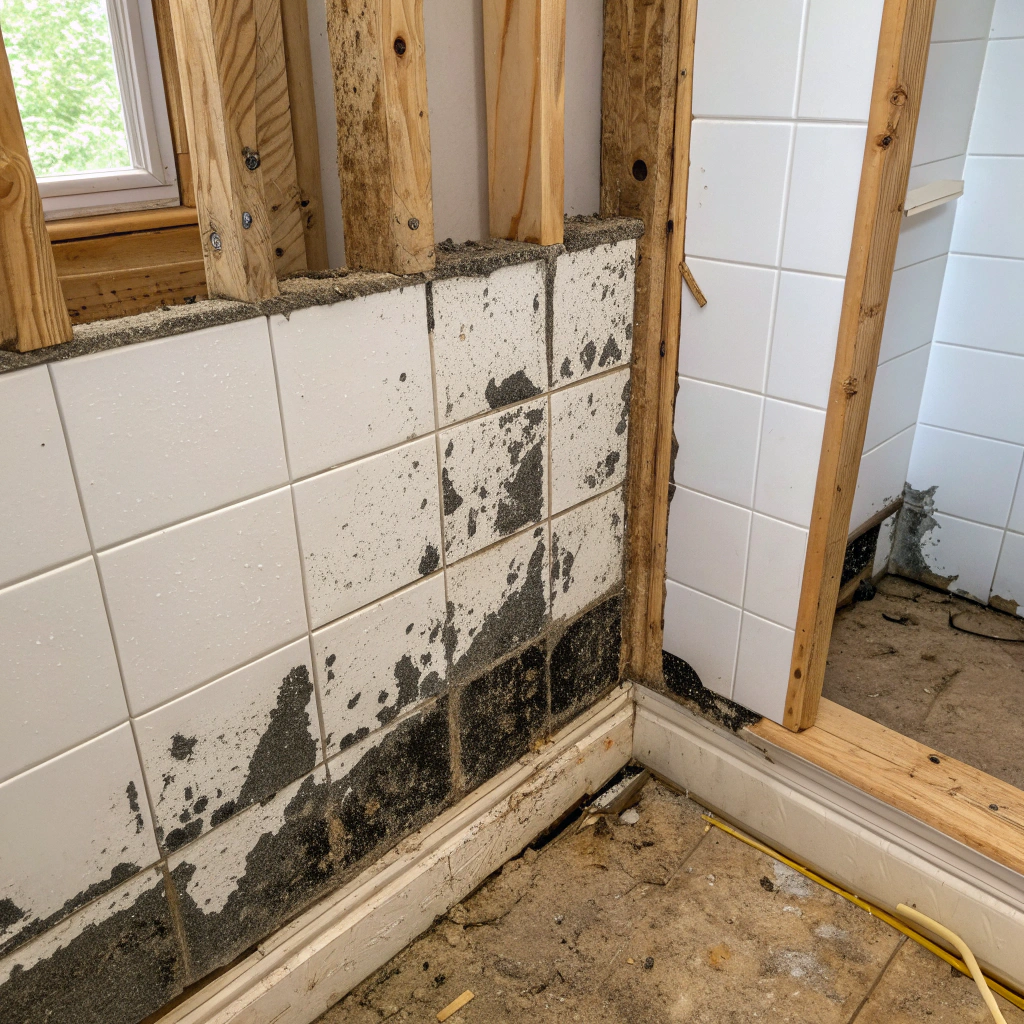
Shower Maintenance Between Professional Visits
Professional checks do the heavy lifting, but what you do in between matters too.
Ventilation and Moisture Control: Run the exhaust fan during and after every shower. Moisture that sits in the air settles on grout and seals, speeding up breakdown.
Cleaning Grout and Seals: Regular cleaning stops the buildup that masks early deterioration. When grout and silicone are covered in soap scum or mould growth, small cracks and gaps hide underneath.
Early Warning Signs to Watch For
Between professional visits, keep an eye out for:
- Silicone pulling away from the wall or screen
- Grout that feels soft or crumbles when touched
- Discolouration or dark spots along grout lines
- A musty smell that lingers after the bathroom dries out
- Tiles that sound hollow when tapped
Any of these is worth acting on straight away.
Frequently Asked Questions
How often should we have our shower professionally checked in Newcastle?
We recommend every 2 years for homes within 5km of the coast. Salt air and humidity accelerate waterproofing wear faster than most people expect, so what looks fine on the surface can be quietly deteriorating underneath.
How do we know if our shower needs preventive work or full repairs?
We can tell you after an assessment. If the membrane is intact and the wear is limited to grout and seals, prevention treatment is usually all that’s needed. If water has already been getting through for some time, repair work may be required — but we won’t know until we’ve had a proper look.
Does prevention work mean removing tiles?
In most cases, no. Resealing, regrouting, and waterproofing top-ups are done without touching your tiles. It’s one of the main reasons prevention is so much less disruptive than waiting for a leak to develop.
How long does a shower assessment take?
Usually 30 to 45 minutes. We go through the full shower — membrane condition, grout lines, silicone seals, screen, and fixtures — and give you a clear rundown of what we find before we leave.
Our shower looks fine. Do we still need a check?
Yes — and this is the most common misconception we come across. Waterproofing deterioration happens behind tiles and inside wall cavities long before anything visible appears. By the time a shower looks like it has a problem, water has usually been getting through for months.
How much does leaky shower prevention cost compared to repairs?
Prevention treatment typically costs a few hundred dollars. Repairs involving subfloor damage, mould remediation, or structural timber work can run into several thousand. The gap between those two numbers is the best argument we know for acting early.
Can we assess a shower that someone else installed?
Absolutely. We assess and treat showers regardless of who did the original work. If you’ve had a new shower put in and want independent confirmation that the waterproofing was done properly, we’re happy to come and check.
Book Your Free Shower Assessment Today
The best time to look at your shower waterproofing is before there’s a problem. A free assessment gives you a clear picture of where things stand — and what, if anything, needs attention.
No obligation. No pressure. Just honest advice from a local team that knows Newcastle showers.
We service Newcastle and surrounding suburbs, including Hamilton, Merewether, Cooks Hill, The Junction, Bar Beach, Charlestown, Kotara, New Lambton, Adamstown, and Mayfield.
